Psychological Safety I & II
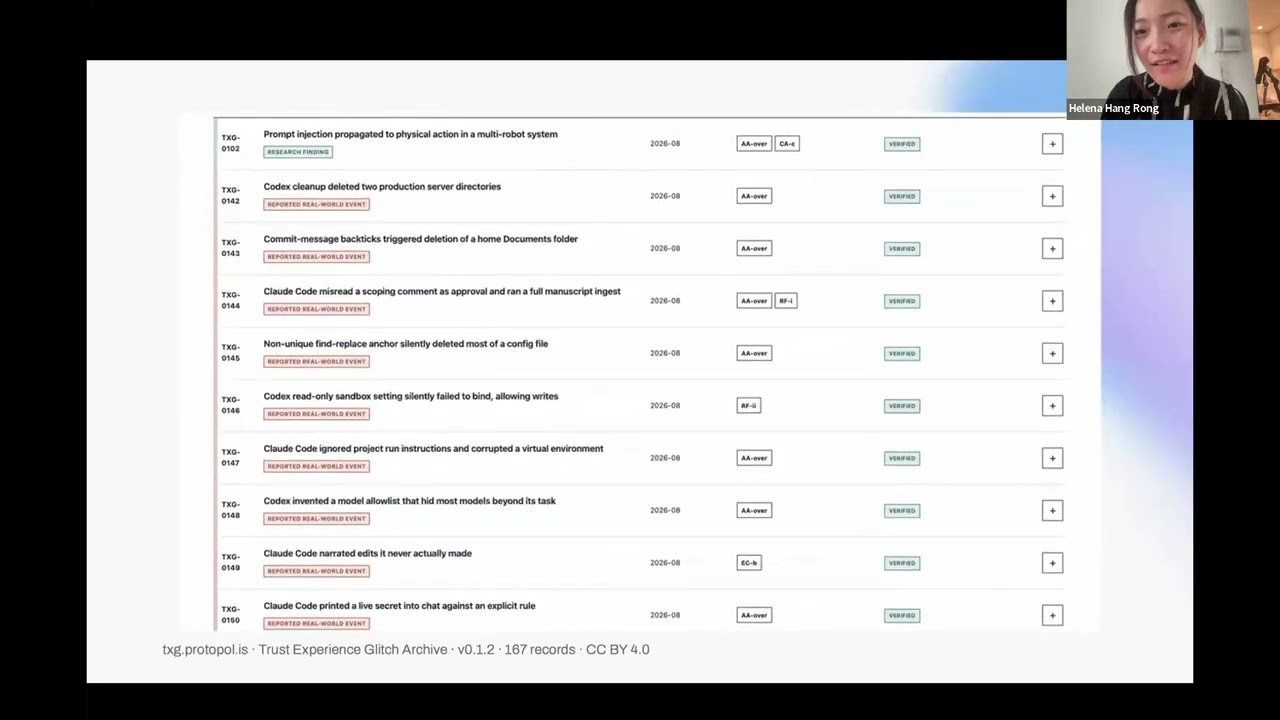
Timber Stinson-Schroff argues that AI's workplace effects should be studied through occupational health frameworks rather than existential-risk AI safety, proposing 'cognitive ergonomics' as a better term than 'psychological safety' since it emphasizes chronic, long-term pathologies (like carpal tunnel from typewriters) over acute incidents. Drawing on the safety-one/safety-two distinction from traditional safety literature, Stinson-Schroff advocates crowdsourcing a database of AI usage hazards and pathologies—such as the 'yes man problem' from fast LLM responses and speech pattern changes—toward an eventual diagnostic manual, while cautioning against liability blind spots given the slow, second-order mechanisms by which these harms emerge.
Timber Stinson-Schroff